Obituaries
This page contains recent obituaries for College members (of all grades) and Honorary Fellows.
Obituaries from previous years are archived on our earlier obituaries page. The button below will let you find out how to submit an obituary.
2026

The eldest of four siblings, Rosie was born in Chatham, Kent on 7 December 1950.
It will come as a surprise to those who only knew her in adulthood, that she was sporty in childhood, playing hockey and tennis and running the hurdles. However, her love of music, learning the trumpet in secondary school, and singing, particularly Scottish folk songs, was widely evident throughout life.
Even though Rosie attended at least 11 schools, including one in Gibraltar, due to her father being in the army, and early childhood illness causing her to miss a lot of education, she gained the grades needed to study medicine at Dundee University, qualifying 1974. Much later Rosie stated, knowing from a young age, wanting to be a doctor, describing it as God’s calling and that she was to be a missionary overseas. Thus, on qualifying, she chose house jobs with that end in mind. Unfortunately, Rosie developed a problem with her joints, particularly her knees and on speaking to a professor about her career vision, was told quite bluntly she would be a liability in the mission field!
After undertaking GP training, Rosie, choose to pursue psychiatry as it was a field that dealt with the body and the mind. She went on to become a Fellow of the Royal College of Psychiatrists. Everybody who knew her has a story to tell, for example her supervision whilst walking the dogs around the hospital grounds at lunchtime or hoarding in her office items brought from the ‘book clubs prevalent before Covid.’
Rosie joined the Soroptimist’s society supporting and helping women worldwide, was proud to be on the ethics committee at work, and the local Lowland Search and Rescue Team with her dogs. In 1996 she became a Methodist Minister alongside her fulltime NHS work. She was valued for her engaging preaching style. Whatever the theme of her sermon, there would be a reference to Scotland, Cornwall, the NHS or her beloved dogs.
Rosie and Cynthia’s civil partnership in 2007 reflected their love which had grown from the friendship they shared in their youth.
After suffering a dense stroke, which left her needing residential nursing care Rosie showed amazing grace and strength over the following two years, believing God still had a purpose for her. She died on 8 February 2026 in the seventy-sixth year of her age.
Written by Nick Bouras.
Professor Eleni Palazidou was widely recognised as one of the most thoughtful and dedicated figures in contemporary psychiatry, with a career spanning more than five decades.
A graduate of the Medical Academy of Sofia, where Professor Palazidou studied with a scholarship, part of a scheme obtained by then President of Cyprus Archbishop Makarios and funded by Eastern European Countries. She continued her postgraduate medical training in the United Kingdom and completed a PhD in Psychopharmacology at the Institute of Psychiatry, King’s College London, where she contributed to new research on the neurobiology of mood disorders. Her academic work included studies on depression, melatonin rhythms, and seasonal affective disorder has been widely cited and remains part of the scientific foundation of modern biological psychiatry.
As a Consultant Psychiatrist in East London for more than twenty years, Professor Palazidou became known for her clinical depth, compassion, and commitment to underserved communities. Her contribution extended far beyond clinical duties. She was a Fellow of the Royal College of Psychiatrists since 1985 and has played an active role in professional, humanitarian, and cultural organisations, including leadership positions in the Anglo‑Somali Society and the Union of Cypriots in the UK. Her long-standing dedication to global mental health is reflected in her founding role in Daryeelka Maanka Burao, a charity supporting mental health development in the Somali region
Over many years, she was a familiar voice in Pandora’s Box for BJPsych International, bringing readers sharp, timely snapshots of international medical and psychiatric research. She illuminated new findings and ongoing controversies.
In recent years, she was Professor of Psychiatry at the Medical School of Nicosia University and, until recently, President of the Hellenic Medical Society of Great Britain. Colleagues, students, and patients alike describe her as a clinician of rare integrity, a scholar of intellectual generosity, and a bridge-builder between cultures, a figure whose work has quietly but significantly shaped psychiatric practice and community mental health across borders.
She passed away on 2 May 2026 at the age of 78 years following a long illness that she faced with admirable courage.
 Margaret Emanuel John was born on 22nd February 1926. Her father, Chris, was a rent collector in Pyle but served as a sergeant in the Royal Arm Medical Cops, and her mother had a nursing background. This perhaps inspired her to pursue a medical career.
Women had only been admitted on an even footing to men, to medical schools for 27 years – so it was an impressive move that at the age of 18, Margaret travelled from South Wales in 1943 to enroll at Edinburgh Medical School. The war was on, so women were more readily welcomed but there were still very few women doctors. Edinburgh was a good choice as the first British female doctors had graduated from there.
Margaret graduated in 1948, the same year the NHS was founded. Her house jobs were as a physician at Blackburn infirmary, and surgeon at Torbay Hospital. Returning to Wales in 1949, she began her career in psychiatry – starting as a trainee at Whitchurch Hospital, Cardiff. 2 years later she moved to London to work at the Wallington Park Hospital in Surrey as a psychiatric registrar. This was a progressive place to work – it had an open door policy – patients were free to come and go in a bid to enhance patient autonomy and improve therapeutic outcomes. Years later, she regaled my medical school friends of stories of taking LSD alongside her patients to get a better insight into their minds. Something she admitted, much to my friends’ delight, that she enjoyed a little more than she should!
Her next move was to child and adolescence psychiatry at Hill End Hospital, St Albans. This was the beginning of her passion and she continued as a senior registrar at University College Hospital in London, a post she had for 7 years. Her first consultant post was as a Child and Adolescent Consultant Psychiatrist covering the Borough of Hillingdon. In her spare time, she trained as an Analyst, becoming an Associate Member of the Society of Analytical Psychology, taking on adult patients in the evenings.
Wales however, was calling. Her mother was becoming increasingly frail so she moved back in 1967, taking a consultant post and later becoming Physician Superintendent of Hensol Hospital. 3 years later she returned to Child Psychiatry, as Consultant to the East Glamorgan Area – a post which she had for 11 years before retiring at the age of 55.
During this period in Wales, her father had retired to Llantrisant, taking a house opposite Castle House, which is how she got to know our Grandpa, Tudor. They married in 1973.
2025
Revised 15 February 2026 by Stephen Scott, with contributions from many others
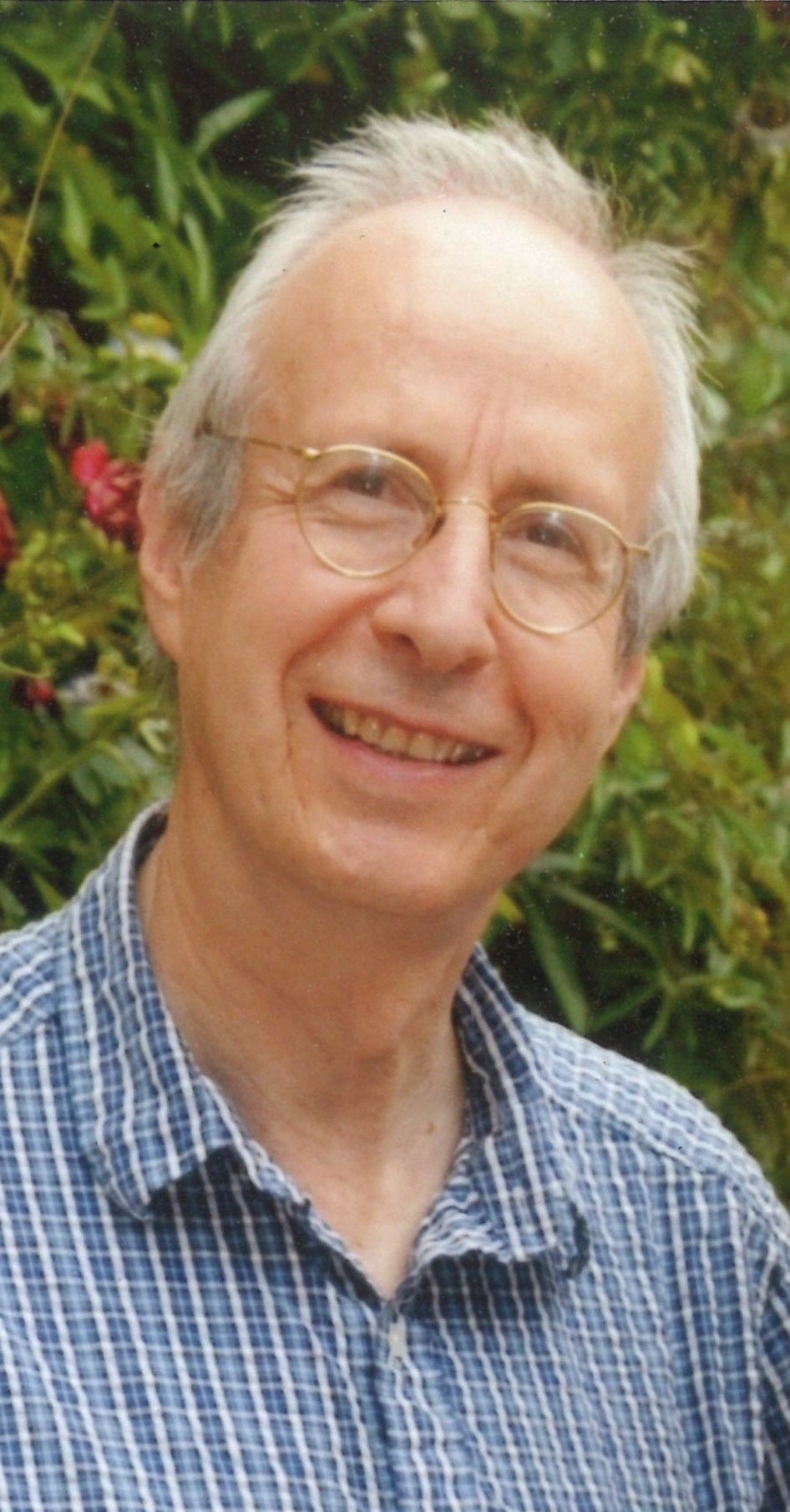
Robert Goodman, who died from complex dementia on 18 December 2025 aged 72, was one of the world’s leading child and adolescent psychiatrists. He carried out work that has transformed child mental health across the globe, developing a simple questionnaire on child mental health and well-being, called the Strengths and Difficulties Questionnaire, commonly known as the SDQ. As the name indicates, this went beyond characterising children’s difficulties to include their strengths and social relations. It also measured the impact of their difficulties on their daily life at home and at school.
Alongside this he developed a novel interview to make accurate diagnoses of mental health disorders which at the same time respected the parents’ own words. This instrument is called the Development and Well-Being Assessment, commonly called the DAWBA. Both measures became the cornerstone of a series of authoritative sequential epidemiological studies repeated over the years in Great Britain and have been widely used across the world. He went far beyond just looking at prevalence rates to use the data to explore questions such as the impact of social class on mental health, ethnic differences and time trends, examining for example the putative increase in anxiety and depression disorders at the present time. Both instruments have been widely translated, with the SDQ available in 89 languages worldwide, including British, American and Norwegian sign language. Many others have written questionnaires, but the impact of the SDQ dwarfs them all. The resulting accurate assessments have supported clinical practice, policy change and research, doing untold good to hundreds of thousands of children and their families worldwide.
Robert was born into a Jewish family. His father, Jack came from a large East End family of poor Jewish migrants and grew up speaking a different language from his Yiddish-speaking parents. He established a successful firm, designing and selling clothes. Robert had one younger sister, Alison. After attending Haberdashers Aske’s School, Elstree, he won a major scholarship to Gonville and Caius College, Cambridge, where he got a starred first-class degree and came top in physiology. Robert then moved to Oxford for the clinical part of his training, again came top of his year, and returned to Cambridge with a Bye-Fellowship at Gonville and Caius College. Recalling their time together in Cambridge, his friend, Peter (now Sir Peter) Ratcliffe, winner of the Nobel prize for Medicine in 2019, writes "he was by far the brighter. I learned so much from him".
After working as a paediatrician for two years he undertook psychiatric training at the Maudsley Hospital and the Institute of Psychiatry, King’s College London followed by a Wellcome Research Fellowship in Neuropsychiatry at the Institute of Child Health and Great Ormond Street Children’s Hospital in London. There his MD thesis was on hemiplegia in children. After this, he returned to spend the rest of his career working at the Maudsley Hospital and the Institute of Psychiatry where he became Professor of Brain and Behavioural Medicine.
The textbook he wrote with Professor Stephen Scott, Child Psychiatry, was lauded by the most eminent children’s doctors in the country. Professor Sir Michael Rutter FRS wrote "there is nothing quite like this gem of a book, which provides much the best introduction to child psychiatry that has been written". And its influence went wider than people working in the mental health field, thus Sir David Hull, President of the Royal College of Paediatrics and Child Health called it "outstanding" and Professor Otto Wolff, Dean of the Institute of Child Health at Great Ormond Street Hospital urged all paediatricians to use it. It has been translated into many languages, from Brazilian Portuguese to Japanese. Most remarkably, Robert single-handedly persuaded the publishers to let it be downloaded for free all over the world. Its success was due to Robert’s command of the latest science and his pithy clarity of expression, making children’s mental issues understandable to all.
Alongside world-leading academic work it is easy to forget that Robert was a gifted clinician. Those who were lucky enough to train and work with him in his Brain and Behaviour clinics at the Maudsley Hospital experienced first-hand his compassion, therapeutic optimism, rigour and ability to cut through complexity to implement change and recovery. His turns of phrase, techniques for making everyone feel appreciated, positive and heard, remain in our repertoires to this day.
One might think that somebody who has achieved all this would become grandiose and pompous. Not at all, Robert was modest and retiring: to use a biblical metaphor, no one hid such an extraordinary light under so great a bushel. And he was keen that he should always be questioned, for example in his inaugural lecture this man, who was not greatly concerned by external appearances, dyed his hair blue on one side and red on the other, saying that for all his eminence, people should always challenge what he was saying. During the lecture he showed a photograph of a sign on a rented house in France, which said “look after your sceptic tank”!
Robert challenged the prevailing norms that research was better if it was expensive, undertaking many of his studies in low -income settings at minimal costs. He never sought honours or public recognition, but in 2022 the Association for Child and Adolescent Mental Health awarded him the prestigious President’s Medal for lifetime contribution to the field.
In his private life he was passionate about the environment - while still at school he began reading The Ecologist magazine, and contacted the founder and proprietor, Teddy Goldsmith (brother of Sir James Goldsmith), who had a farm in Cornwall, while the editor, Peter Bunyard, had a neighbouring farm. This led to Robert spending his summers working on their farms and imbibing their forward-looking principles, as well as meeting their many distinguished visitors, like Professor James Lovelock; he was also a life-long member of the Green Party. He greatly admired Buddhist teachings, meditated every day and attended many Buddhist retreats.
He was, with no exaggeration, a truly exceptional man. No one was more gentle and unthreatening, he had no side to him and had a warm smile with a wry, self-deprecating sense of humour and a ready laugh. He was greatly appreciated by colleagues, was a supportive role model to trainees and was loved by his patients. He will be greatly missed.
He is survived by his wife Susan, his sister Alison, his children Anna, James, and Rosa, together with four grandchildren.
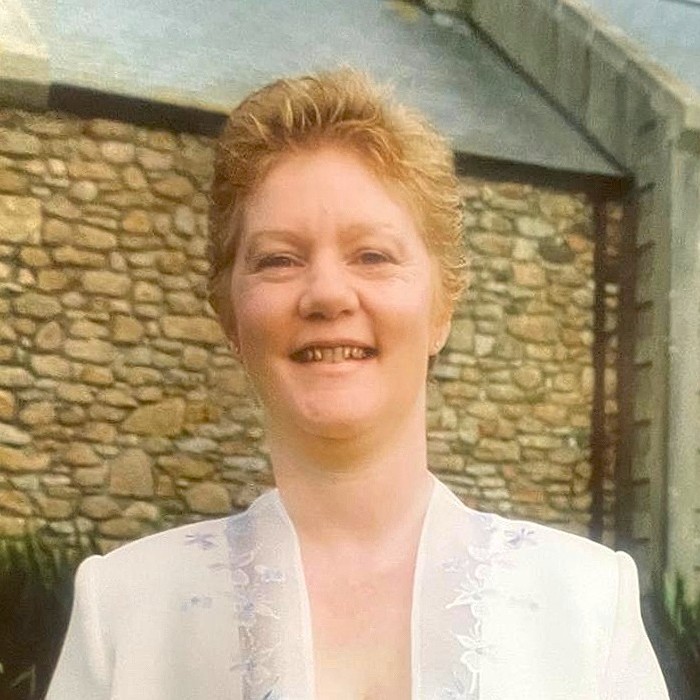 Written by Ursula Mackintosh (Olivia's sister).
Olivia Guly, MB BS MRCPsych
Olivia, retired consultant in forensic psychiatry, based in Lancashire, died of breast cancer on 23 November 2025 aged 66.
Olivia was born in Hythe Hospital, in the New Forest in 1959. Aged 16, while a pupil at the Convent of the Sacred Heart, Woldingham, she wrote her first paper, published as a personal view in the BMJ, on her observations of her fellow boarders, who hid their anorexia nervosa from staff and other pupils. This made her unpopular with the headmistress, who feared it would put off prospective parents.
She qualified from St Mary’s in 1981. After House Officer posts in Windsor & Ascot, followed by an SHO post in Accident & Emergency in Taunton, she trained in psychiatry in Bristol and West Yorkshire, specialising in forensic psychiatry. Her research as a senior trainee was on single perpetrator, single victim child homicide.
In 1991, she started as the first consultant forensic psychiatrist in Lancashire and South Cumbria, at the Langdale Unit Interim Secure Unit. This post included prison sessions, and it was here, through her work, that she met her husband Phil, a prison officer. She was a trainer, which she enjoyed, but whereas for a while she had managerial responsibilities as Clinical Director, she always far preferred clinical work to management activities.
In 1999, by which time she had been joined by other consultant colleagues, she moved from the Langdale Unit to the newly opened Guild Lodge, which she had been instrumental in setting up. While there, she was involved in developing the forensic outreach service and long-term medium secure provision. She left Guild Lodge in 2001 to work in Norfolk, based at the Norvic clinic with responsibility for patients in the Great Yarmouth area, but in 2007 she returned to Lancashire and Guild Lodge, to be nearer to family. On her return to Lancashire, she worked predominantly in the women's service. Despite recognising how dangerous many of her patients were, she was passionate about ensuring they received the best possible care.
Although teetotal herself, she enthusiastically joined in work social events, often staying up well into the early hours with her colleagues and friends who were not.
She retired in 2014, but during Covid returned to work in the immunisation service in Preston. She commented how many of her immunisation clinic patients, unlike her detained patients, thanked her and the other staff for their care.
She enjoyed her retirement and was not tempted to return to psychiatry. She took great pleasure in making jam and cooking for friends and family, gardening, her many holidays in the Scilly Isles, and walking her rescue dogs.
She leaves her husband Phil, five stepchildren, step grandchildren, and great grandchildren, as well as three siblings.
Written by Professor Stephen Tyrer and Dr Christine Davison.
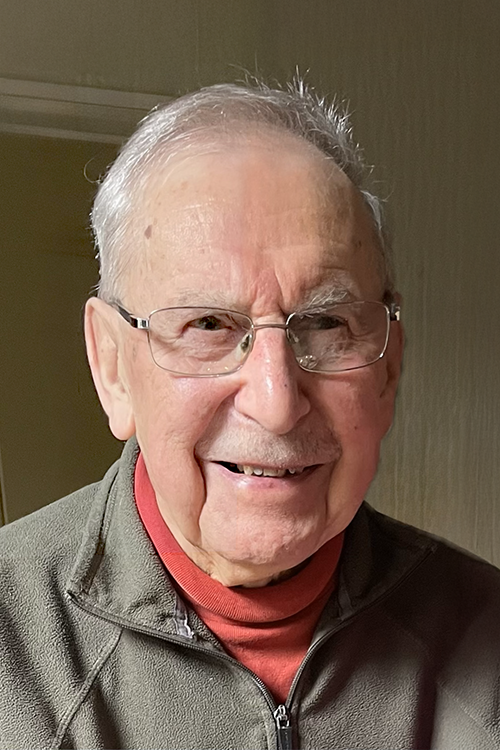
Dr Kenneth Davison FRCPsych FRCP (Edinburgh) FRCP (London)
Ken Davison, Emeritus Consultant Psychiatrist, died peacefully from old age on 5 August 2025, aged 96. He was the Director of NHS Services in Newcastle-upon-Tyne for over 30 years. Ken was the Gaskell Gold Medallist in 1964, considered the highest attainment in academic psychiatry. He was an expert in the field of psychiatric illnesses arising from neurological factors and he honed his expertise in this field following an attachment to the National Hospital for Neurology and Neurosurgery at Queen's Square in London.
Marrying his psychiatric skills with his neurological knowledge from Queen's Square, he examined the symptomatology of psychoses that resemble schizophrenia, but which were caused by underlying organic disorders of the brain, particularly cerebral tumours or epilepsy. This association of organic cerebral disorders with schizophrenia was much greater than one would expect according to chance and occurred in patients without genetic loading for schizophrenia. In particular, injuries to the temporal lobes and diencephalon were found to be strongly associated with the development of these illnesses. One review which Ken wrote on this subject is still widely quoted and has achieved almost 800 citations.
Ken Davison was a strong advocate for the Royal College of Psychiatrists. He was actively involved in the training and supervision of trainees, serving as the College’s Northern Regional Adviser as well as being Chair and Convenor of the Postgraduate Training Approval Panel for Scotland. He supported trainees throughout and, amongst others, he supervised Professor Femi Oyebode's MD thesis. His work for the College also included acting as an Examiner for the MRCPsych examination, being a member of Council from 1975 to 1980, and Chair of the North-East Division in the 1980s.
Having gained an international reputation that led him to be invited to several European Conferences and to advise on psychiatric services in Libya, Ken retired from his post as Consultant Psychiatrist and Director of the Department of Psychological Medicine at Newcastle General Hospital in 1989. At the ceremony commemorating his lifetime allegiance to the development of psychiatry in Newcastle, the then Dean of the Medical School explained that although everybody knew that Ken had always been a retiring man he had now achieved his ambition of retiring de facto. He remained, however, very active after retirement. He did medico-legal work, he was a team member of the Health Advisory Service, a member of the Mental Health Review Tribunal Panel, and a Second Opinion Appointed Doctor for the Mental Health Act Commission. He led the development of Audit in Psychiatry in Newcastle as Chair of the Medical Audit Committee for the Newcastle Mental Health Trust and Regional Lead Clinician for Medical Audit (Psychiatry). He was a long-standing member of a Continuing Professional Development group for local retired psychiatrists until his 90th Birthday.
Ken was born in Sunderland in 1929 to Thomas and Margaret. Growing up in humble circumstances, he was an only child but very close to his cousin, Derek Foster (later Baron Foster of Bishop Auckland, the Labour politician). He was educated at the Bede Grammar School in Sunderland at the same time as the renowned clinician in the field of pain, Harold Merskey, Professor of Psychiatry at the University of Western Ontario, Canada, who died last year. Harold has told us how he and Ken were always among the first three in their class. His school days were disrupted by the War, but he still obtained good results allowing him to achieve his ambition to train as a doctor, attending Newcastle Medical School (then part of the University of Durham) from 1947 to 1952. After house jobs at the Royal Victoria Infirmary, he did his National Service in the Royal Army Medical Corps and was posted to South Korea, Japan, and Hong Kong. Returning to civilian life, he worked in medicine obtaining his MRCP. He moved into psychiatry in 1958 where he trained under Martin Roth in Newcastle and Eliot Slater in London before returning to Newcastle to take up his consultant post in 1964.
Throughout his life, Ken enjoyed gardening, reading, classical music (he played the piano and trombone) and being in the wild landscapes of Northern England. Above all, however, Ken was a family man, married to his beloved Joyce for nearly 72 years – she predeceased him by only five weeks. He had four children of whom he was immensely proud, with his eldest daughter following him into a medical career. His latter days were marred by increasing physical frailty, but he retained his interest in all matters medical.
Ken Davison was the opposite of the driven go-ahead doctor who wishes to achieve fame and fortune. Despite his many achievements, he always kept his feet on the ground. He will be profoundly missed by his family, his colleagues and by the patients who were lucky enough to be under his care.
Obituary by Sheila the Baroness Hollins.
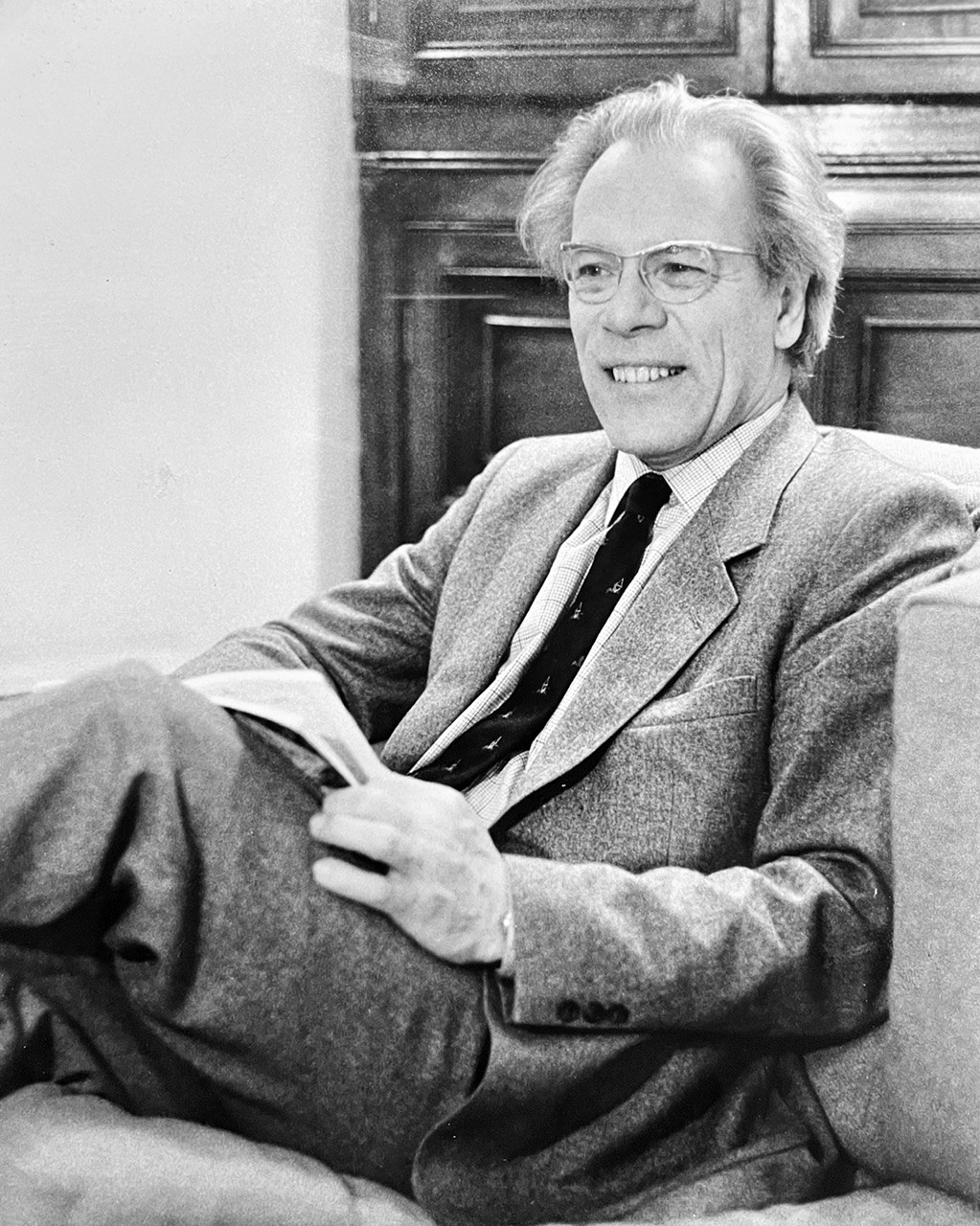
John Anderson Oliver Russell MA BM BCh DPM FRCPsych (18 January 1936–25 July 2025)
Oliver attended Merchant Taylors' School in London, studied human physiology at St John’s College, Oxford, and did his medical training at the Middlesex Hospital, London. His career spanned forty years as an NHS consultant psychiatrist, and a Reader in Mental Health at the University of Bristol, combining clinical practice and leadership with a strong applied research programme. He was a passionate advocate for closing long stay mental handicap hospitals where he had started his career in psychiatry. In 1976, Oliver was appointed to the Department of Health’s National Development Team, reporting on services for people with learning disabilities around the country.
At a local level he helped to transform services, giving people with learning disabilities the chance to live an ‘ordinary life’ in the community. The Wells Road Service was established in Bristol to assist in the resettlement of people from Farleigh Hospital, many of whom had been admitted as children at a time when mentally handicapped children were not entitled to education.
In 1988, Oliver co-founded the Norah Fry Research Centre in Bristol, which undertook an extensive and very practical research programme on services for people with a learning disability, including how to improve primary care and supported housing provision. He travelled widely, taking his expertise to Australia, Canada, Slovakia and the USA and sharing the best of what he had learnt abroad on his return home.
In 1998 his last major post was a 3-year secondment as Senior Policy Adviser in Mental Health to the Department of Health, a position that I took over in 2001. His major achievement in this role was to shepherd the development of the Valuing People White Paper. This was the first government policy co-produced by people with personal and family experience of learning disability. One of these self-advocates was Jackie Downer, who had been training medical students at St George’s with me, and accompanied me to an international Policy Academy arranged by the President’s Committee on Mental Retardation in Washington DC. Oliver met Jackie there and used the action plan that emerged from this event to inform the development of ‘Valuing People’. Jackie became his advisor when he was Chair of the Board of Trustees of the British Institute of Learning Disabilities and says of him that she “felt confident in this role because he always showed respect for me and listened carefully to my contributions”. Jackie gave a tribute at Oliver’s funeral.
Throughout his professional career including after his retirement, he was active in trying to improve the lives of people with learning disabilities through numerous voluntary organisations and professional advisory roles. Among these he was, at various times, an advisor to the government of Wales and its National Assembly, a trustee of Circles Network and later Honorary President, an advisor to the Foundation for People with Learning Disabilities and a Board member at the National Development Team.
Oliver was a ‘gentle giant’ in our field, always smiling, always optimistic despite facing many challenges. He was widely respected in the communities of people and families who really matter.
Oliver was a true friend to so many people and will be much missed. Especially of course by his wife for over 60 years, Rosemary, their three sons and eight grandchildren.
Written by David Gittleson, son of Dr Gittleson.
Dr Neville Leon Gittleson BM BCh MA DPM DM FRCPsych (20 May 1930 – 15 June 2025)
Dr Neville Gittleson passed away peacefully on 15 June 2025 at the age of 95, surrounded by his loving family. Born in Leeds in 1930, he was evacuated during the war to Ilkley before returning to Roundhay School, where he was a gifted student. Having gained a state scholarship, at the age of 16 he won an exhibition to read medicine at Balliol College, Oxford, going up in the aftermath of the war in 1947.
After graduating in 1953 with his BM and BCh, he spent two enjoyable years in general medicine as a house physician in Bangor and Llandudno before beginning his national service in the Royal Navy. As a medical officer attached to the Fleet Air Arm at HMS Daedalus in Lee-on-Solent, his duties included air sea rescue, testing new safety equipment and evaluating air crew. These proved to be formative years, for it was his naval experience that led to a strong desire to train in psychiatry. On completing his service in 1957, Neville moved to the Royal Infirmary in Manchester where he gained his DPM under the supervision of Professor Edward Anderson.
Neville then spent a year as a registrar at the Maudsley in the Professorial Unit of Aubrey Lewis, before accepting an appointment as a Senior Hospital Medical Officer at the Middlewood Hospital in Sheffield. He was rapidly promoted to consultant psychiatrist at the unusually young age of 33 and would remain in Sheffield for the rest of his career.
Sheffield provided a fertile and supportive environment in which Neville could pursue his interests in phenomenology, rehabilitation, teaching and forensic psychiatry. He published a wide range of papers, many building on his DM which was awarded by Oxford in 1965 for his research on obsessions and depression. Other areas of research included subjective ideas of sexual change, perception of the soul, tattoos in psychiatric patients and indecent exposure. He was forthright about building rehabilitation opportunities for institutionalised patients, becoming active in the Association of Occupational Therapists and publishing papers on advancements in this area.
Teaching was a lifelong passion. He was an Honorary Clinical Lecturer at Sheffield University and a generation of registrars benefited from his weekly teaching ward rounds. His influence was highlighted by one former student, now a professor, who wrote that Neville brought what he had learnt at the Maudsley to Sheffield, teaching him how to conduct a proper mental state examination. Neville’s teaching impact extended widely through courses run for medical students, nurses, general practitioners, midwives, social workers and newly appointed magistrates. He became an examiner for membership of the Royal College. Well into retirement, he would enjoy lecturing on the history of the Mental Health Act to a new generation of medical students.
Neville’s greatest interest came to be forensic psychiatry and he was regularly asked to be an expert witness in court cases. Reflecting some of his earlier research, he was invited to join the Policy Advisory Committee on Sexual Offenders for the Criminal Law Revision Committee’s 15th, 16th and 17th reports. He joined the Parole Board in 1978 and was a member of the Joint Home Office/Parole Board Life Sentence Committee, where colleagues regularly sought his advice. Neville was also an independent assessor for the Civil Service Commission’s prison department.
The latter stages of his career brought further variety. Neville worked both as a second opinion doctor for the Mental Health Act Commission and as a medical member of the Mental Health Review Tribunal for many years until he reached 70. He appreciated a very different role as part of the programme advisory council for Yorkshire Television.
His overarching priority throughout his career though was his family. Having met his wife Sandra shortly after moving to Sheffield, Neville was determined to be a husband and father first, even if that meant declining new roles and appointments. When very young, his two children David and Debbie had a limited understanding of what dad did as a psychiatrist. Going into infant school one morning, their announcement that dad was going to prison today caused some amusement amongst the teachers, who realised that Neville was visiting there in a professional capacity. Further glimpses into his work came with a two-part Man Alive TV series on Middlewood that aired in 1974 featuring Neville.
Neville was a very supportive, kind, modest and thoughtful individual, who was greatly liked, respected and trusted by colleagues and friends for his wise counsel and integrity. He was someone who cared passionately about helping people with mental health difficulties and ensuring their rights were respected, whatever their circumstances. Ahead of his time, he ran a mental health drop-in clinic at Devonshire Green in Sheffield for homeless people who felt unable to seek help through the hospital system.
Outside work, Neville would relax through his love of steam railways, photography, classical music and carpentry.
Neville is survived by Sandra, David and three grandchildren Matthew, Anna and Rachel. His daughter Debbie sadly predeceased him. Neville will always be remembered by his family as a truly inspirational, wonderful and kind man. His legacy is the set of values with which he lived his life and undertook his work as a consultant psychiatrist – have intellectual curiosity, treat all people with respect and courtesy, and act with integrity.
Submitted by Dr Malcolm Fraser, nephew of Marjory.
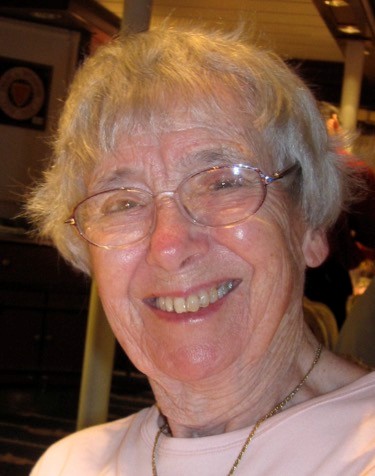 Dr Marjory Florence Foyle MB, BS, MD, FRCPsych
Dr Marjory Florence Foyle was a former Medical Missionary and International Itinerant Consultant Psychiatrist who died 9 April 2025 at age 103.
She spent the first part of her career practising as obstetrician/gynecologist in the Indian subcontinent and after developing depression, retrained as a psychiatrist and was director of a psychiatric hospital in Lucknow, India.
She retired in 1980 at age 59 and subsequently travelled to over 40 countries lecturing, training and counselling missionaries/NGO’s.
In 2006 , seven years after obtaining her MD from the University of London at age 78, Marjory was described by Dr Andrew Sims (former president of the Royal College of Psychiatrists) as being “one of the most influential psychiatrists in the world”.
Marjory's young life
Marjory was born 3 November 1921 at Milborn Port, Somerset and was the 3rd child of a marriage between a Methodist minister and a graduate mathematician.
She followed her older sister to the London Medical School for Women at the Royal Free Hospital.
Marjory studied medicine (the LMSW evacuated her to St Andrew’s and she proudly stated that she never touched a golf club) through wartime, receiving her final exam results in London on VE Day (she always had a knack of being in the right place at the right time).
Following junior doctor training at the Royal Free and Arlesey Hospitals, Bedfordshire (Former 3 Counties Lunatic Asylum - WW2 RF Emergency Hospital), she sailed to India in 1949.
Inspired by her committed Christian faith, Marjory worked for 15 years in hospitals in Lucknow, India and Tansen, Nepal as an obstetrician/gynaecologist to serve women whose culture prevented them consulting male doctors.
Entering psychiatry
After being appointed Clinical Director of a hospital in Lucknow, Marjory developed and received treatment for depression.
Recognising immense needs for psychiatric care in the developing world, in her forties she retrained in Psychiatry at Royal Liff Hospital, Dundee (effective 2001 merged into Ninewells Hospital).
Returning to India in 1968, Marjory became Director of Nur Manzil Psychiatric Centre, Lucknow. She was elected FRCPsych in 1980, and ‘retired’ in 1981.
Active in retirement
Post retirement a typical project that Marjory was involved in was the successful implementation (working with the United Mission to Nepal and based on a prior WHO funded project) of a Community Mental Health program in a poor rural area of Nepal which was subsequently written up in the World Mental Health Casebook (2002).
Marjory studied the psychological needs of missionaries, and pioneered the development of MemberCare (pastoral care and wellness program specifically designed for people working in demanding, high-stress mission/NGOs). She wrote Honourably Wounded (1997 – reprinted 4 times) on stress in cross-cultural mission/NGO workers, and also her autobiography Can it be me? (2006).
She travelled to over 40 countries in her retirement, lecturing and training and embraced technological developments such as computers, cell phones, email and the internet with zest.
She also provided psychiatric care to Missionaries with Interhealth (1989-2017) in London and was awarded an MD on Expatriate Mental Health (based on the work as described in Honourably Wounded) by the University of London at age 78 in 1999 – the oldest female to receive that degree.
From 1984 Marjory was pastorally supported by All Soul’s Church, Langham Place, London.
In 1985 Marjory and my mother spent Christmas/New Year with me (her nephew) and my family in St Petersburg, FL. At the time the Royal Navy routinely sent a Frigate on a tour of duty around the Caribbean which ended in St Petersburg for Christmas. As a UK trained physician, I acted as an informal contact between the ship’s doctor and the local medical community.
Early on Christmas morning 1985 I received a phone call from the Ship’s doctor saying that a Gurkha soldier had inexplicably attacked one of the ship’s officers. Did I happen to know of a western trained Psychiatrist who spoke Nepali? At the time there were two in the world of whom Marjory was one. I drove her and my mother (who was determined not to be outshone by her younger sister and miss out) to the harbour. Marjory sorted out the situation, no charges were filed against the Gurkha and we were subsequently treated to very generous hospitality in the Wardroom. As previously stated, Marjory had a knack of being in the right place at the right time
A wonderful sense of fun
Marjory had a beaming smile, a wonderful sense of fun and a mischievous sense of humour, with inspiring wisdom, humility and compassion. She walked the London Marathon course annually into her nineties and enjoyed frequent Birdwatching visits to the WWT London Wetland Center at Barnes.
She died peacefully 8 April 2025 at David’s House, Harrow, London.
Marjory leaves her nephew Malcolm Fraser and two great nieces (all doctors in USA), and her wider family and friends in London and around the world.
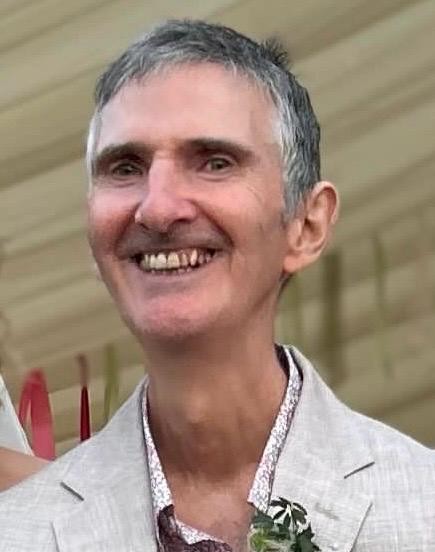 Submitted by Dr Bruce Scheepers, friend and colleague.
Dr Stewart Vaggers died peacefully on 13 July 2025 at the age of 65. He was a Consultant Forensic Psychiatrist, Medical Director, legal scholar, and Fellow of the Royal College of Psychiatrists, remembered for his integrity, intellectual curiosity, and deep commitment to both psychiatry and the law.
After beginning his academic life in psychology, Stewart qualified in medicine and obtained Membership of the Royal College of Psychiatrists in 1990. Shortly thereafter, he pursued a long-standing interest in the law, completing an LLM and working briefly at a prestigious law firm. However, his passion for psychiatry drew him back, and he completed specialist training in forensic psychiatry.
In 2000, Stewart was appointed Consultant Forensic Psychiatrist with the South Staffordshire and Shropshire NHS Foundation Trust, later serving as Medical Director from 2003 to 2007. He became a Fellow of the College in 2013. Known for his calm leadership, clinical insight, and ethical clarity, he contributed significantly to the development of forensic services in the region. His rare combination of psychiatric and legal training made him particularly effective in navigating complex medico-legal issues and promoting patient-centred care within secure environments.
During his consultant career, Stewart developed inclusion body myositis, a progressive muscle-wasting condition that eventually led to his early retirement from clinical practice in 2014. Despite this, he continued to serve the field as a Medical Member of the Mental Health Tribunal and undertook expert witness work in the private sector for several years. His resilience, professionalism, and sense of purpose remained undiminished.
Beyond his professional life, Stewart was a devoted husband and father, a private and principled man who cherished his family. He had a lifelong love of modern art, theatre, and Liverpool Football Club, and he bore serious illness with courage, humour, and grace. Even after being diagnosed with a glioblastoma brain tumour, he exceeded expectations and milestones—walking his daughter down the aisle, becoming a grandfather, and celebrating Liverpool’s 20th league title.
Dr Vaggers is survived by his wife Sue, his children Sophie, Emma, and Max, and his grandson Joshua. He leaves behind a legacy of compassion, intellectual breadth, and quiet strength—an example to colleagues and trainees alike.
Written by Jeremy and Gregory Bell, sons of Dr Bell.
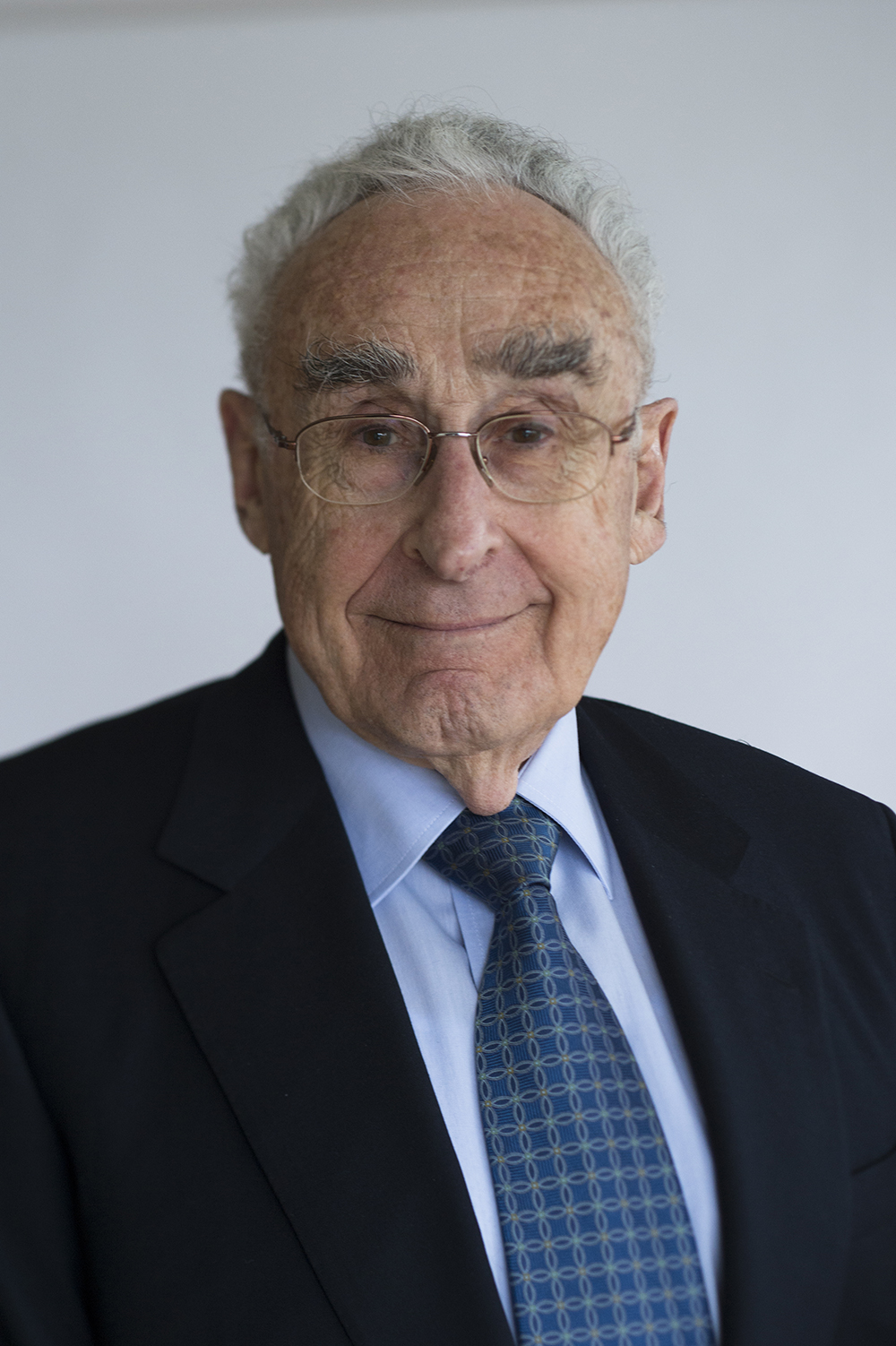
Dr David Samuel Bell FRANZCP, FRCPsych
It is with great sadness that we announce the peaceful passing of Dr David Samuel Bell FRANZCP, FRCPSYCH, on 2 April 2025 in Sydney, Australia, at the age of 94.
Born in Sydney during the Great Depression on 20 February 1931 to Max and Betty Bell, David is survived by his beloved wife of 68 years, Judy; his children, Gregory, Jacqueline, and Jeremy; seven grandchildren; and two great-grandchildren.
Even as a child, David’s vocational clarity was remarkable. When asked what he wanted to be, he confidently answered ‘a psychiatrist’ – a word neither he nor his teacher could spell. It was a prescient moment that foreshadowed a lifetime of inquiry into the human mind.
David’s career spanned more than 55 years. He was a prolific author, academic, WHO Fellow, department head, VMO at St Vincent’s Hospital, private practitioner, group therapist, and pioneering medico-legal expert. He was also a skilled photographer and passionate gardener, pursuits that balanced the intellectual rigours of his profession.
He consistently challenged prevailing psychiatric orthodoxy in pursuit of better mental health care and justice. His contributions to drug addiction treatment, epilepsy care, and community psychiatry were significant. His time at Callan Park was particularly formative, exposing him to both the best and worst in psychiatric care – including the controversial practices of Dr Harry Bailey. This experience deeply influenced his lifelong commitment to compassionate, evidence-based treatment.
Throughout his life, David was captivated by the fundamental mystery of how thought arises from matter. In later years, he mused on the parallels between human cognition and the emergent behaviours of artificial intelligence – a subject he approached with characteristic curiosity and scepticism.
One of his major medico-legal contributions occurred in the 1980s, when MRI technology was first introduced in Australia. Recognizing its forensic value, David pioneered the use of MRI scans to identify trauma-induced brain changes. He created simplified diagrams from MRI data to help legal professionals grasp complex neurological evidence – enabling more accurate adjudication in cases involving behavioural change following head injuries. His work allowed many clients to receive fair compensation where otherwise their injuries may have been dismissed or misunderstood.
David’s critiques were never cynical; they stemmed from a sincere desire to strengthen psychiatry through scientific rigour. He believed in confronting root causes, not merely treating symptoms. His emphasis on the ‘group mind’ – how collective thinking can reinforce error – underpinned his work in both psychiatry and forensic science.
Despite a demanding career, his family remained at the centre of his life. Growing up in the 1960s, his children recall the grounds of Callan Park as their playground – a reflection of his dual devotion to family and profession. They also remember seeing the ECT treatment rooms and watching their father on national television, introduced as ‘the drug addiction expert’.
To his family, David was never defined by his professional titles. He was a loving husband and father first. Yet, when asked what he did for a living, they were proud to say: ‘He’s a psychiatrist’ – often met with a joking reply about ‘shrinks’ and couches, though in truth he rarely used either.
David published extensively in journals such asThe Lancet,Brain,British Journal of Psychiatry,American Journal of Psychiatry,Medical Practice,Australian Journal on Drug Dependence(which he also edited), and theAMA Gazette. His medico-legal expertise, particularly in head injury assessment, was widely sought after, and he became a leading expert witness in high-profile cases – always with integrity, never with fanfare.
David was a life member of the Australian Academy of Forensic Sciences, and made enduring and substantial contributions to the Academy.
In his later years, slowed by illness but still mentally agile, he retained his love of the difficult question. Had we been able to speak with him one more time about consciousness, AI, or the ethics of psychiatric diagnosis, no doubt he would have leaned forward, raised a brow, and said, ‘Yes, but what’s the evidence?’
The field has lost a critic, a mentor, and an architect of rigorous thought. Those of us who had the privilege to work alongside David know we have also lost something more: a man who reminded us that psychiatry, law, and science are not just professions, but moral undertakings.
He leaves a legacy of intellectual honesty, curiosity, and fearless inquiry. His personal values – truth, kindness, tolerance, and resilience – guided his family as much as his professional life. He was a man unafraid to challenge the status quo when it meant advancing understanding or advocating for justice.
David Bell’s life embodied the highest ideals of medicine and science. His contributions to psychiatry, forensic science, and public understanding of mental health will resonate long beyond his lifetime. His legacy lives on through the countless people he influenced, the knowledge he generated, and the compassion with which he approached all aspects of life.
Those wishing to explore David’s body of work – including his autobiographical reflections inWelcome to the Loony Bin: 55 Years Inside Psychiatry and the Law– may visitBrainaction, where a comprehensive bibliography is also available.
Bell, J., & Bell, G. (2025). Dr David Samuel Bell FRANZCP, FRCPSYCH, 20 February 1931 – 2 April 2025.Australian Journal of Forensic Sciences, 1–3. https://doi.org/10.1080/00450618.2025.2510059
Written by Dr Sebastian Kraemer.
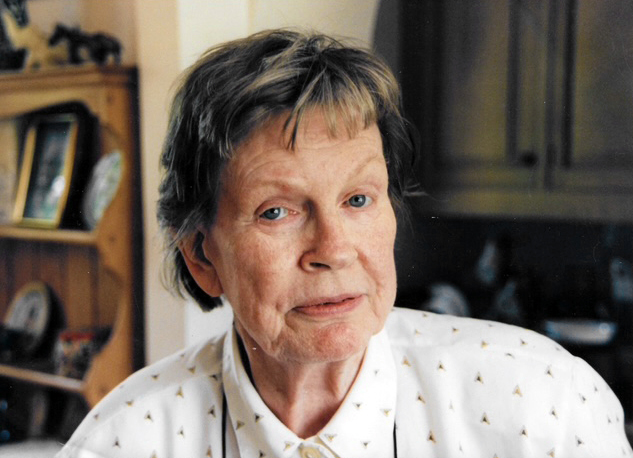 Dr Mary Lindsay MB FRCP FRCPsych FRCPCH(Hon)
Mary Lindsay qualified in medicine in 1951 and, as Dermod MacCarthy’s paediatric registrar, appeared in James Robertson’s influential film ‘Going to hospital with mother’. Later, as a consultant child psychiatrist, she worked again with Dr MacCarthy and his patients, pioneering the model of liaison work described in ‘I sit in the Diabetic Clinic’.
In 1976, Dr Lindsay was elected to the British Paediatric Association, and in 1993 elected FRCP, a rare honour. In 1974, she and Dr MacCarthy started the celebrated child psychiatry/ paediatric meetings at the postgraduate centre at Stoke Mandeville Hospital, which took place three times a year and continued for 18 years. In 2022, Mary’s devoted tribute to her mentor, the first British paediatrician to admit parents to a paediatric ward, was published in the Archives of Disease in Childhood.
Mary Lindsay was a distinguished presence at the interface of paediatrics and psychiatry for six decades, with many lectures and publications to her name, from 1955 to the 2023. In an early paper following up children with coeliac disease, she noted how chronic disease slows the child’s development. From her medical beginnings as a junior paediatrician, she championed the right of children in hospital to have their parents visit and stay the night with them. Her final paper was a huge and brilliant study, including some personal reflections, of the changing history of parents’ access to their hospitalised children over three centuries. Sick Children and their Parents is published online by the British Society for the History of Paediatrics and Child Health.
Obituary provided by Mr Robert Bownes, his son.
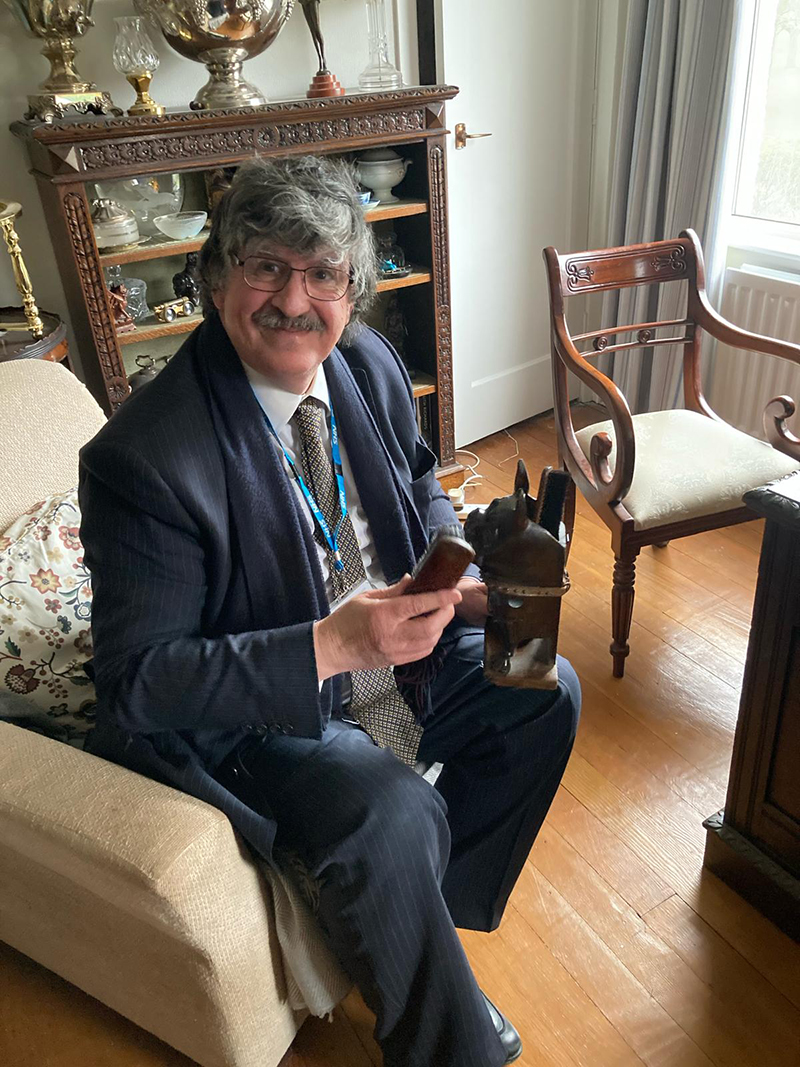
Dr Ian Thomas Bownes MD MRCPsych (6 January 1956 - 7 January 2025)
Dr Ian Bownes was an award winning pioneer of psychiatry in Northern Ireland during and after the Troubles. In 1991 he became only the second qualified consultant forensic psychiatrist in Northern Ireland and one of the first from the region to be added to the Royal College of Psychiatrists' Roll of Honour after receiving both the Peter Scott Memorial Fellowship and the John Dunne Medal for excellence and originality in psychiatric research.
Dr Bownes began his medical career after graduating from Queen’s University Belfast in 1978. Following a spell working in A&E as a junior doctor during the most violent period of the Troubles, Dr Bownes chose to embark on a career in psychiatry. One of his first assignments as a trainee psychiatrist was to assess whether paramilitary inmates housed at the notorious H-blocks of the Maze prison were mentally fit to go on hunger strike. This was both a testament to Dr Bownes’ bravery and a startling example of how underserved psychiatric services were in Northern Ireland at the time.
Spurred by this experience, Dr Bownes chose to dedicate his career to developing psychiatric services and treatments for prisoners. To that end, he took every opportunity to develop his expertise, including collaborating with Professor Gísli Guðjónsson, a professor of forensic psychology at King's College University of London, on three research articles on the attribution of blame for criminal offences and reasons why suspects confess during custodial interrogation.
By the early 2000s, Dr Bownes had become the senior psychiatrist at a number of major prisons, where he continued to campaign for change while building a thriving medical legal practice. His work included providing testimony to the Stormont Assembly and Parliamentary Select Committees on the inadequacy of Northern Ireland’s psychiatric resources, chairing the Forensic Faculty of the Northern Ireland Division of the Royal College of Psychiatry from 2010 to 2014 as it helped to shape mental health and capacity legislation, and worked to develop Northern Ireland’s Personality Disorder Strategy (2010).
As one of the UK’s most experienced forensic psychiatrists, Dr Bownes provided expert testimony on hundreds of criminal cases, including some of the country’s most serious and high profile offenders. His expertise was also sought by the UK security services on issues such as IRA informant Stakeknife.
Despite the often harrowing nature of his work, Dr Bownes stayed true to his ideals that everyone deserves the best possible psychiatric treatment and that with the right support and early intervention, offending could be prevented. He retired in 2023 after more than 40 years of service.
Outside his medical work, Dr Bownes was a prolific collector of antiques and curios, a skilled DIY practitioner and a dedicated family man. With his wife Sharon, who he met at university, he raised six children – Gareth, Philip, David, Felicity, Amy and Robert – several dogs, an inordinate number of rabbits and a handful of guinea pigs. His family will remember him for his eccentric sense of humour, imagination, impressive mustache and tireless work ethic.
Obituary provided by Mr Kiran Cheedella, his son.
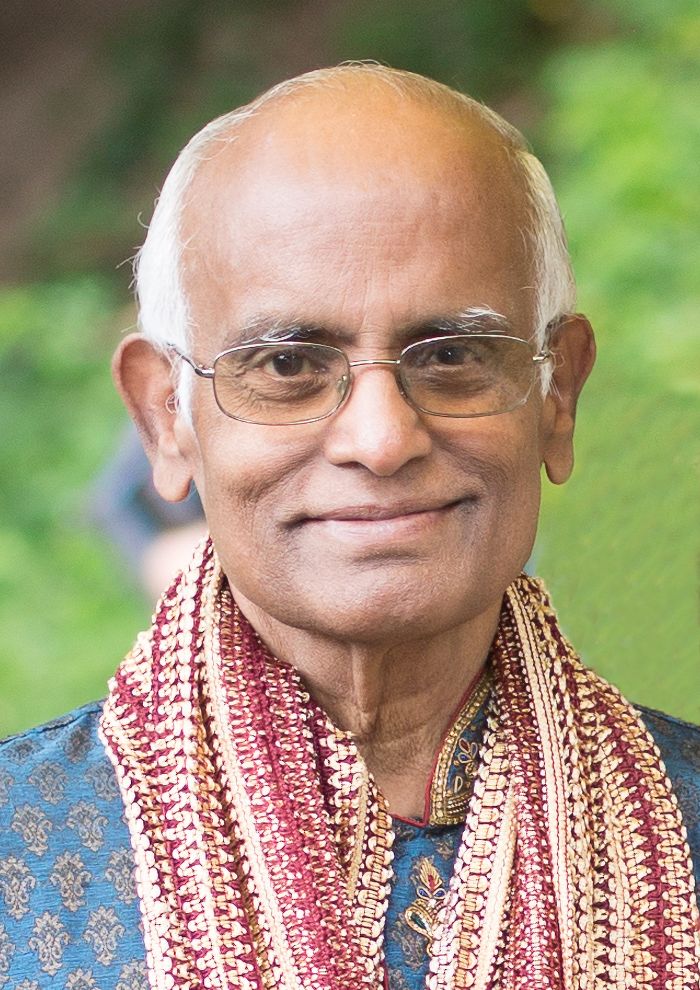 Dr Cheedella Narayana FRCPsych
Dr Cheedella Narayana passed away peacefully at home in Mansfield in December 2025, surrounded by his close family. He was a devoted husband, father, grandfather, psychiatrist, mentor and friend whose warmth, courage and generosity touched countless lives across the UK and India.
Born in India, Narayana was raised with a deep respect for education, family and service to others. He completed his medical education and psychiatric training in India, establishing himself early as an accomplished psychiatrist. In 1974, driven by ambition and intellectual curiosity, he travelled to the United Kingdom to pursue Membership of the Royal College of Psychiatrists. Arriving in Northern Ireland during the Troubles, he began rebuilding his professional life from scratch with characteristic resilience and optimism.
In 1975 he was joined in the UK by his wife, Leelavathi, and their three daughters. Together they built a life founded on courage, hard work and commitment to family. During the family’s early years in the UK, Narayana balanced psychiatric training with caring responsibilities at home, particularly during his wife’s prolonged recovery from tuberculosis of the spine. Family members remember his devotion to his children cooking Indian meals from recipes sent by his mother in India, managing school runs, and maintaining a sense of joy and stability through difficult times.
His psychiatric training took the family through Sedgefield, York and Norwich. In 1978 he passed the Membership examinations of the Royal College of Psychiatrists (MRCPsych). Although the original intention had been to return to India after several years, the family ultimately chose to remain in the United Kingdom. In 1980 the family welcomed their son, Kiran, and later settled permanently in Mansfield, Nottinghamshire, where Narayana lived for the remainder of his life.
Dr Narayana enjoyed a long and respected career in psychiatry. Colleagues and patients alike knew him for his calmness, compassion and deep humanity. Shortly before his death, he spoke proudly of having been elected Fellow of the Royal College of Psychiatrists an achievement that reflected decades of dedicated service to the profession.
Outside medicine, Narayana had wide-ranging interests and remarkable energy. He developed a passion for property renovation and rental, taking genuine pleasure in engaging with people from all walks of life. He was also an enthusiastic traveller who loved discovering new places with his family, from early package holidays found on teletext to later cruises around the world. Gardening brought him particular happiness, especially tending roses and fruit trees around the family home.
He was deeply generous both privately and publicly, supporting relatives in India and contributing regularly to numerous charitable causes. Above all, he took pride in giving his children and grandchildren security, encouragement and freedom to pursue their own paths in life.
Family and friends remember his infectious laughter, his resilience in the face of racism and adversity, and his remarkable ability to enjoy life fully. In the weeks before his death, he told his family that he had lived happily, achieved everything he had wanted, and wished those around him not to mourn with sadness but to celebrate his life with happiness and gratitude.
Dr Narayana died peacefully at home in Mansfield in December 2025 due to the slow progression of Dementia. In keeping with Hindu traditions important to him and his family, he passed surrounded by loved ones with prayers and sacred rituals accompanying his final moments.
He is survived by his wife Leelavathi, his 4 children, 9 grandchildren, with extended family across the world, and by the many colleagues, patients and friends whose lives he enriched over more than five decades. His life was one of courage, compassion, service and joy, and his legacy will endure in all who knew him.